

Why Walk for Alopecia Matters
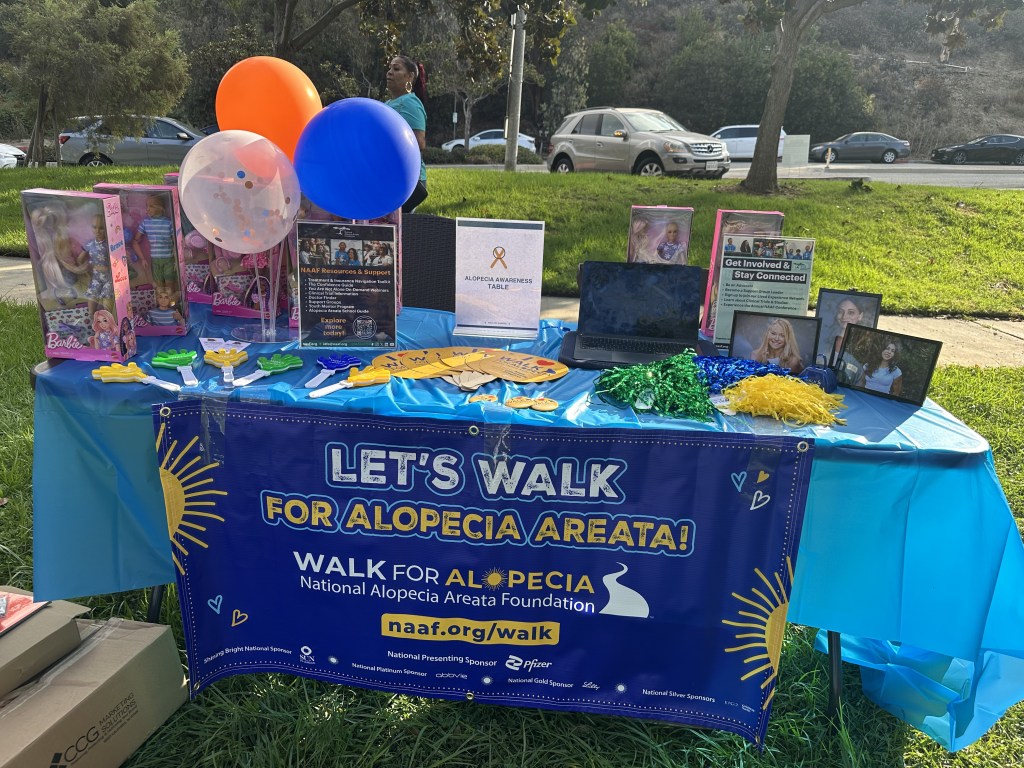
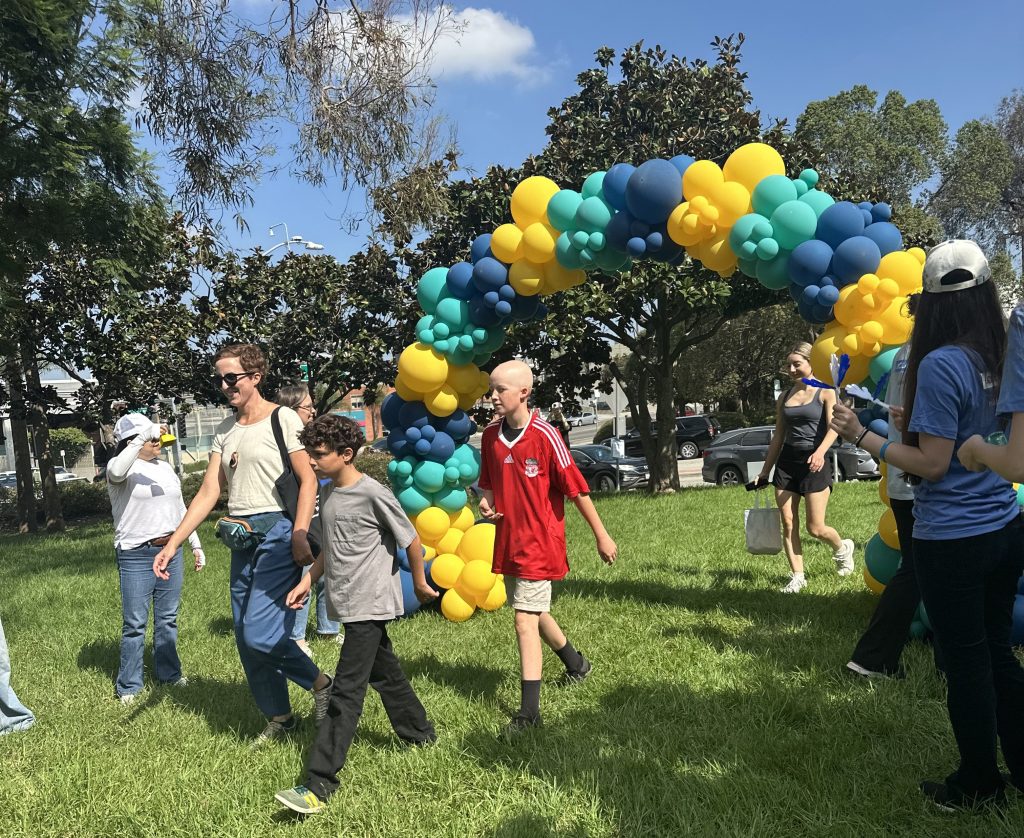
A walk might seem simple: comfortable shoes, a route through the park, and a crowd moving in the same direction. At the Los Angeles Walk for Alopecia in Culver City this September, those steps stood for something bigger. They brought attention to hair loss as a health experience that deserves understanding, conversation, and community.
Alopecia Awareness Month is an opportunity to learn what alopecia means. The word describes hair loss, but it is not one single condition or one universal experience. Some people lose hair in patches; others experience more extensive loss. Causes and treatments vary, and so do the feelings people have about their hair. No one can tell how someone is coping by looking at them.
Why “it’s just hair” misses the point
Hair can be tied to identity, culture, self-expression, and a sense of familiarity with one’s reflection. Losing it may affect how a person moves through school, work, relationships, or public spaces. Sometimes an uninvited question or a stare can be harder than the hair loss itself.
That does not mean everyone with alopecia feels the same way. Some speak openly about it. Some prefer privacy. Some embrace a new look, while others want support as they explore treatment options. Awareness means making room for all of those responses without expecting anyone to explain their appearance.
What can a walk change?
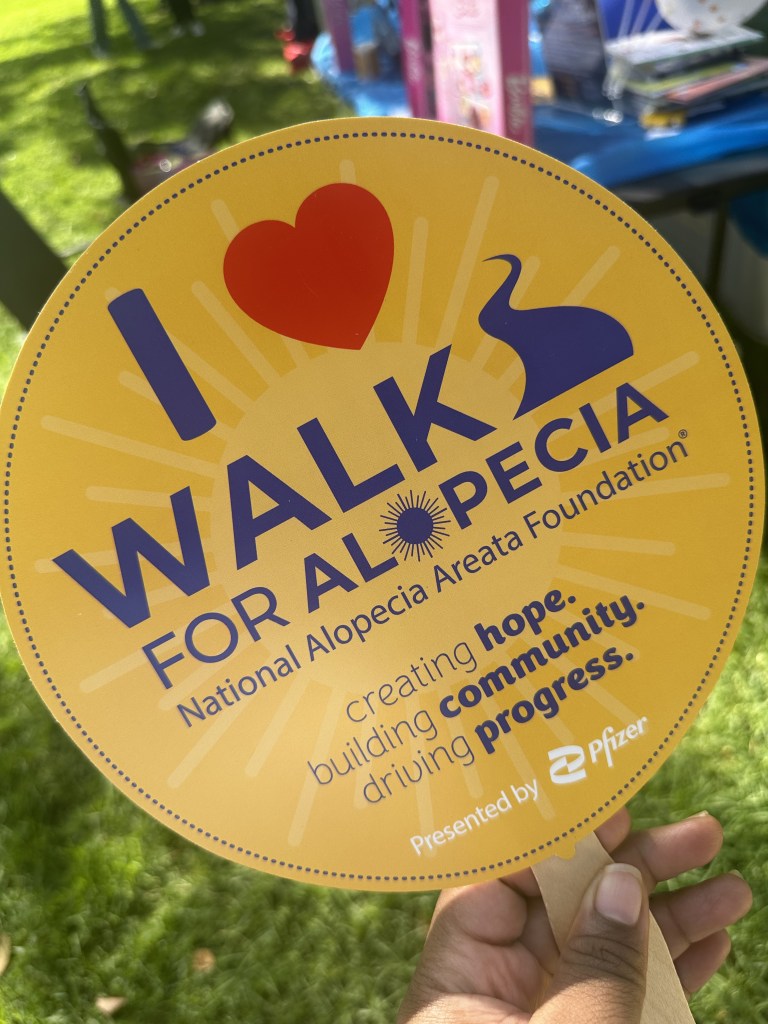
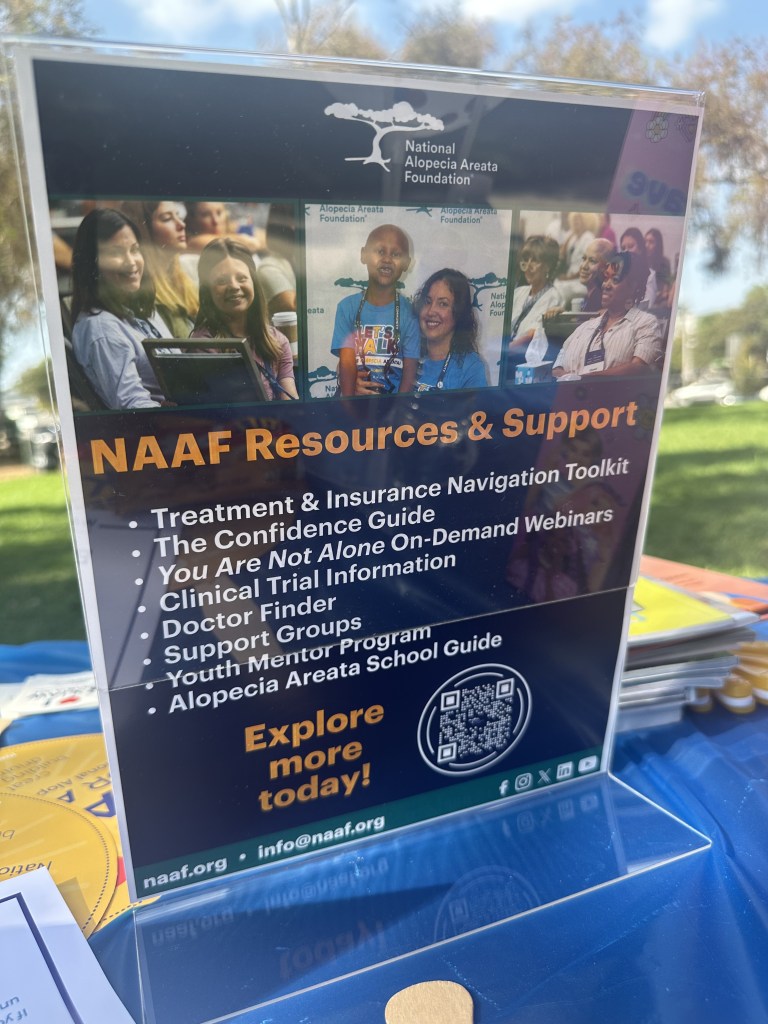
A community walk cannot solve every challenge associated with alopecia in one morning. It can do something valuable: bring people together. Someone who has felt alone may meet a person with a familiar experience. Families can find resources and other families. Friends and neighbors can show support by showing up, listening, and learning.
The walk also gives an often private experience a public presence. Each participant helps show that people affected by alopecia belong in the conversation. A cheerful route and a welcoming table can be the beginning of a connection that lasts well beyond the event.
Keep walking after September
The most useful part of awareness is what happens next. Listen when someone chooses to share their experience. Avoid assuming hair loss tells the whole story of their health or identity. If they ask for information, point them toward qualified care and trusted patient resources instead of promising a quick fix. And when community events happen, consider joining in: support means more when people show up.
The Walk for Alopecia is a reminder that small actions add up. A step can start a conversation. A conversation can build a connection. And a connection can help someone feel less alone.
September may be Alopecia Awareness Month, but understanding has no finish line.


Leave a comment